


What Is Brand Identity Design?
Brand identity design is the process of creating the visual system that represents a business. It includes elements like a logo, color palette, typography, imagery, and brand guidelines that ensure your brand looks consistent across every platform.
For small businesses, brand identity design helps create a recognizable and professional presence that attracts the right audience.
A strong brand identity makes your business feel intentional, memorable, and trustworthy, whether someone encounters your brand on social media, your website, or printed materials.
Why Brand Identity Design Matters for Small Businesses
Many small businesses start with a logo or color they like, but without a complete brand identity, the brand can feel inconsistent.
Brand identity design helps small businesses:
• Build recognition and trust
• Look professional and established
• Attract their ideal clients
• Stand out from competitors
• Maintain consistency across marketing
When a brand is cohesive, customers are more likely to remember and trust the business.
The Difference Between a Logo and Brand Identity
A common misconception is that a logo and a brand identity are the same thing.
Logo
A logo is a single graphic mark or wordmark used to identify a business.
Brand Identity
Brand identity is the complete visual system surrounding that logo.
A full brand identity typically includes:
- Primary logo
- Secondary logos and alternates
- Submark
- Color palette
- Typography system
- Brand patterns or graphics
- Image style and direction
- Templates
- Brand guidelines
While a logo is important, it’s only one part of a much larger system.

The Core Elements of a Strong Brand Identity
1. Logo Design
Your logo is the most recognizable element of your brand.
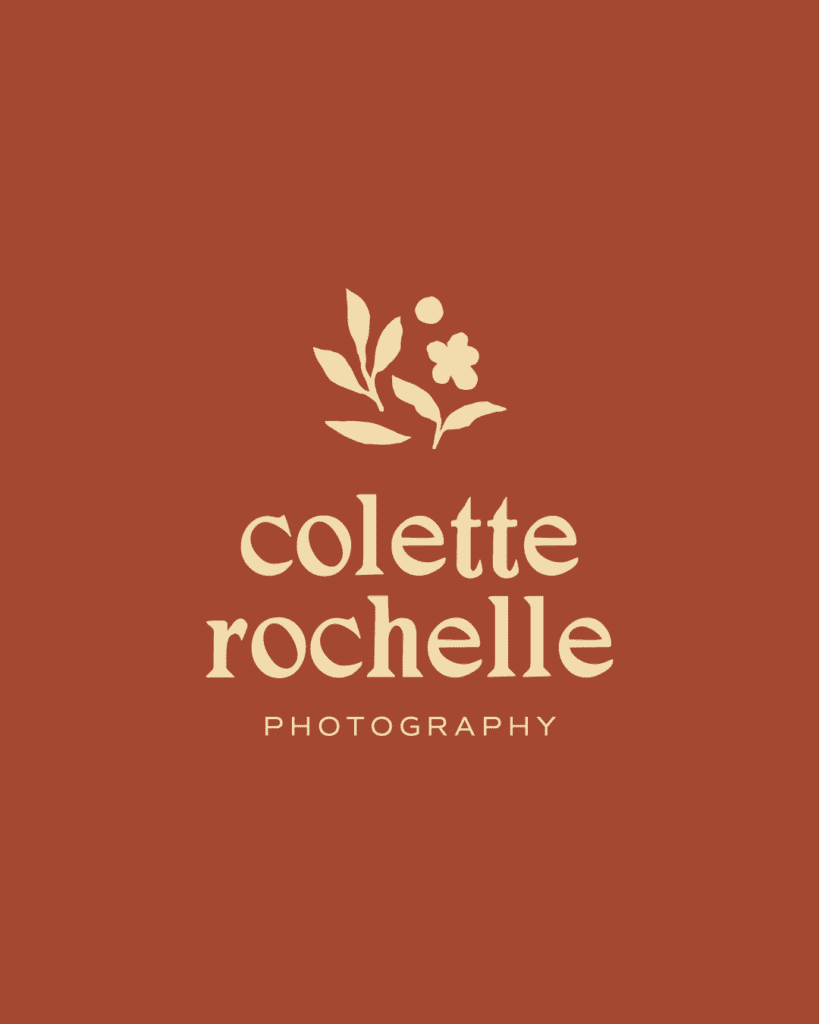
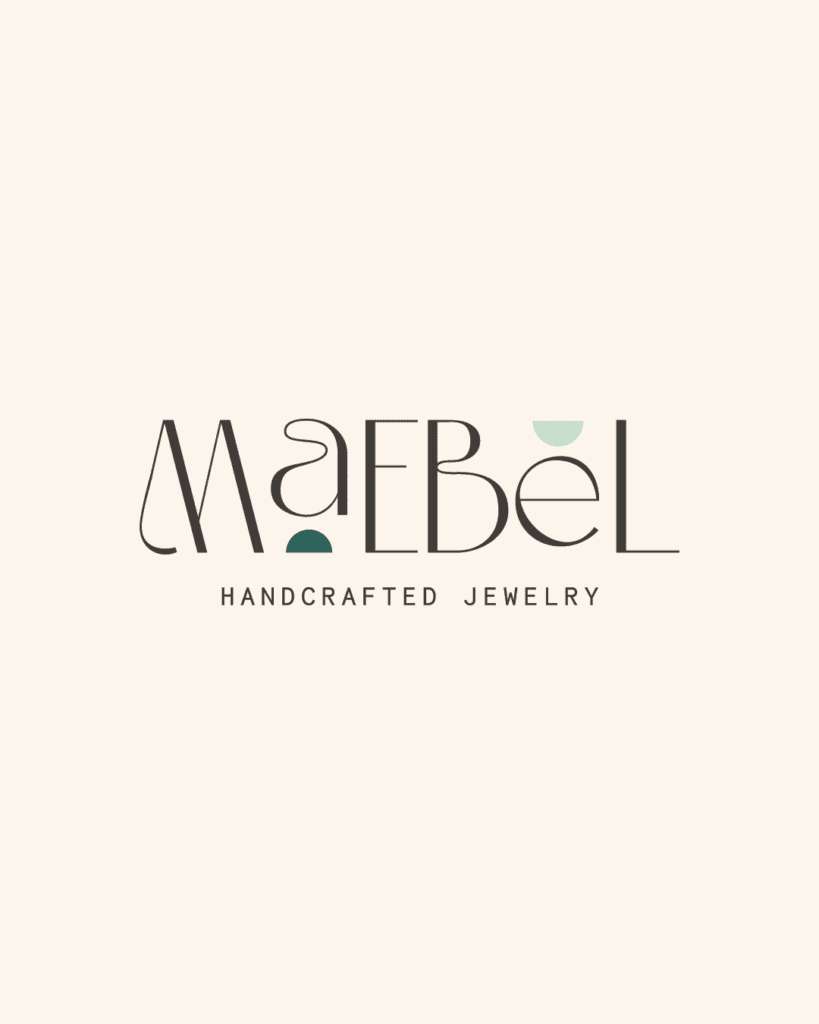
Most professional brand identities include a logo suite, which often consists of:
- primary logo
- secondary logo
- brand mark or icon
These variations allow your brand to remain consistent across websites, packaging, social media, and print materials.

2. Color Palette
Color plays a powerful role in brand recognition and emotion.
A brand color palette typically includes:
- primary colors
- secondary colors
- neutral tones
Together they create a visual system that can be used across marketing materials and digital platforms.
3. Typography
Typography helps communicate the personality of your brand.
A brand identity usually includes:
- primary headline font
- secondary supporting font
- body copy font
- display or accent fonts for grabbing attention
Consistent typography ensures your brand looks professional and cohesive across all platforms.
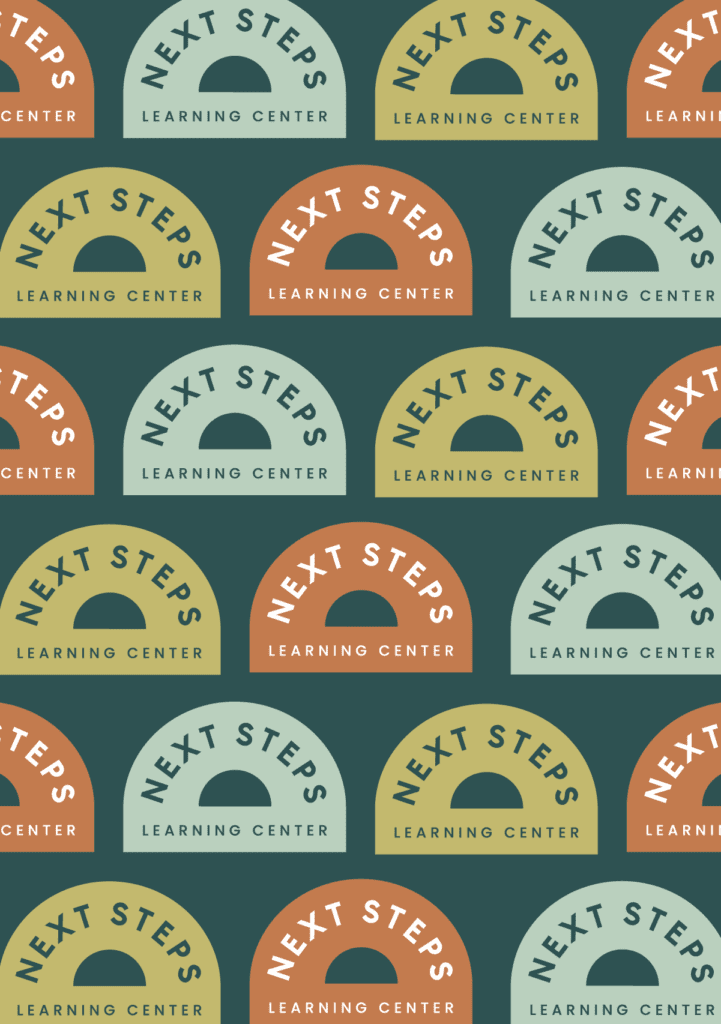
4. Brand Graphics and Patterns
Many brands include additional visual elements like:
- patterns
- icons
- illustrations
- graphic shapes
These elements help create a distinct visual language that makes the brand more memorable.


5. Brand Guidelines
Brand guidelines are a document that explains how to use the brand correctly.
They usually include:
- logo usage rules
- color codes
- typography hierarchy
- image style guidance
Brand guidelines ensure consistency so your brand stays recognizable as your business grows.
The Brand Identity Design Process
While every designer has a slightly different approach, most brand identity projects follow a similar process.
1. Brand Discovery
This stage focuses on understanding the business.
It may include:
- target audience
- brand personality
- business goals
- competitors
This strategy phase ensures the design is intentional and aligned with the business.
2. Creative Direction
Next, designers often create mood boards or visual concepts to define the direction of the brand. I also create a proposed color palette during this stage.
This helps establish:
- color direction
- typography style
- overall brand aesthetic
3. Logo Design
Once the direction is approved, the designer creates logo concepts and develops the full logo suite. I always present concepts to my clients in the form of a multi-page presentation where they can see multiple color options and mockups. This helps ensure the colors and overall identity work well for my client and their business.
4. Visual System Development
After the logos are finalized, the rest of the brand identity is built, including:
- typography system
- graphic elements
- social media templates
- print collateral or packaging
- website
5. Brand Guidelines Delivery
Finally, the complete brand system is organized into brand guidelines that the client can use moving forward.
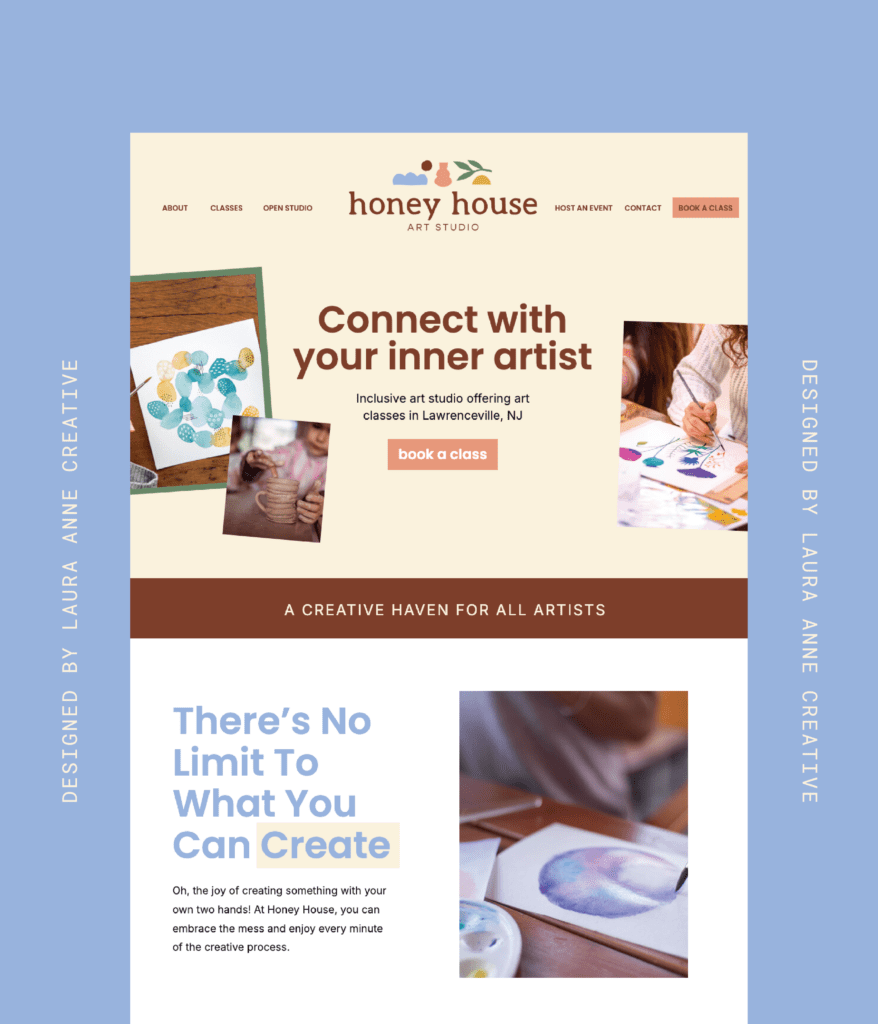
Seeing real projects can make the brand design process easier to understand. Take a look at this art studio brand identity design case study to see how a creative brand came to life.
Signs Your Small Business Needs a Brand Identity
Many businesses realize they need branding when their current visuals start to feel inconsistent.
You may need brand identity design if:
- your branding feels inconsistent across platforms
- your logo no longer reflects your business
- you’re launching a new business
- your brand doesn’t attract your ideal clients
- you’re planning a website redesign
A cohesive brand identity helps ensure your business looks professional and aligned with your goals.

How Brand Identity Helps Your Business Grow
Brand identity design does more than make a business look good.
A strategic brand identity helps:
• attract ideal clients
• improve brand recognition
• support marketing efforts
• build trust and credibility
When your brand feels polished, memorable and consistent, customers are more likely to connect with and remember your business.
Frequently Asked Questions About Brand Identity Design
What is included in brand identity design?
Brand identity design typically includes a logo suite, color palette, typography system, brand graphics, and brand guidelines.
How much does brand identity design cost?
Brand identity design can vary widely depending on the designer and scope of the project. Small business branding projects often range from a few thousand dollars to larger investments for full strategy and design packages.
How long does brand identity design take?
Most brand identity projects take 4–8 weeks, depending on the complexity of the project, revision process, and if a website design is included.
Is brand identity the same as branding?
Brand identity refers specifically to the visual components of a brand, while branding also includes messaging, voice, and overall brand strategy.
Investing in Brand Identity for Your Small Business
A thoughtful brand identity helps small businesses build a strong, recognizable foundation for marketing and growth.
With a clear visual system in place, your brand can show up consistently across websites, social media, packaging, and marketing materials.
For many businesses, personalized brand identity design becomes one of the most valuable investments in building a lasting and recognizable brand that feels unique to them and attracts their ideal customer.
Looking for Brand Identity Design for Your Business?
If you’re a small business owner ready to create a cohesive and strategic brand identity, professional brand design can help bring clarity and consistency to your business.
Explore my brand design services to learn more about creating a brand identity that reflects your unique personality and connects with your ideal audience.


Get in touch
contact me
Ready to get started on your brand design? Have questions about which package would be the right fit for you? Send me a note! I can't wait to hear from you!


